Apartment life
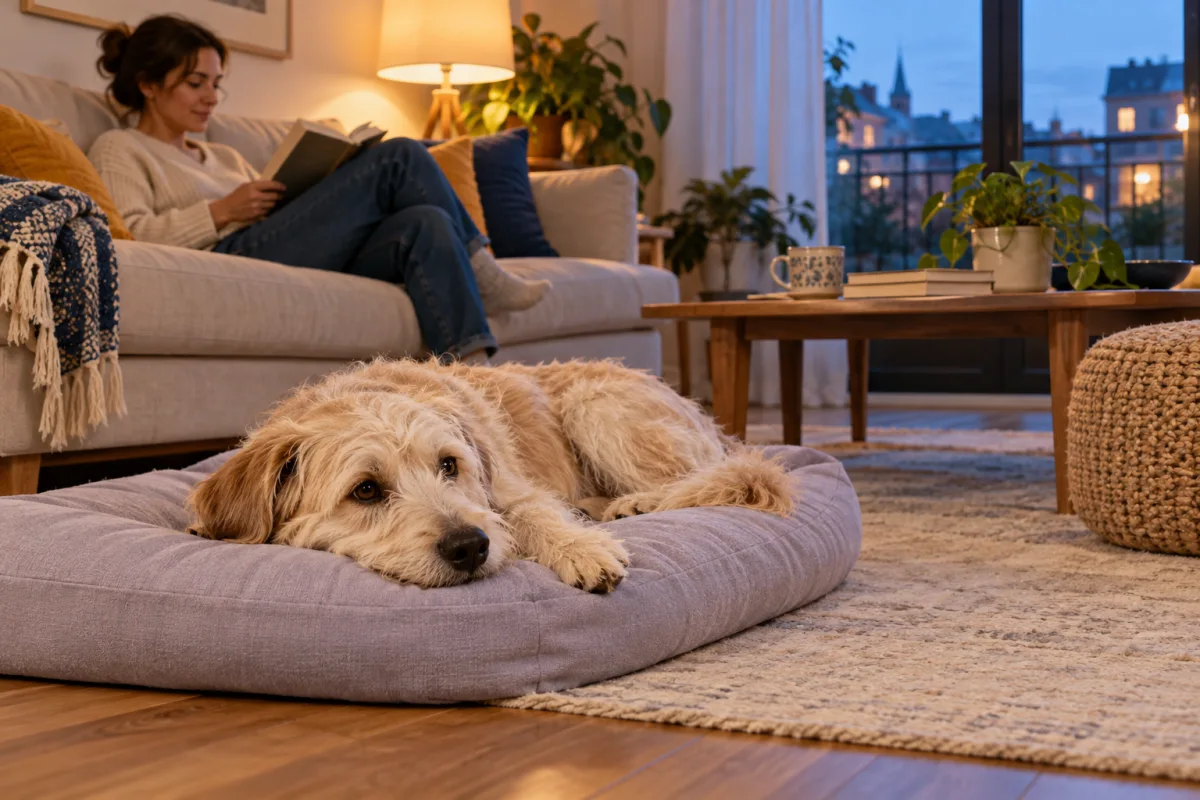
Apartment dog training: make your space work for both of you
Build an apartment dog training routine around shared walls, small rooms, toilet trips and rest, with practical exercises and adaptable daily choices.
The essentials, in one place
A focused collection for apartment routines, puppy care, easier walks and everyday learning. Choose the situation that matters today.
Find the right kind of help
A useful dog training guide begins with something you can recognize: the pause outside the elevator, the first work call, or the moment a towel appears. Begin with the situation that happens in your home rather than collecting a long list of skills. A smaller question is easier to investigate, and its answer can change what you do on the next ordinary day.
The library combines preparation, practical exercises, observation and troubleshooting. You can browse a collection, use the topic filters or search for a familiar word. Once you find a likely match, read beyond its title. Check whether the starting conditions, equipment and purpose fit your dog. An attractive final behavior is less useful than an appropriate first step you can actually arrange.
15 guides
Apartment life
Build an apartment dog training routine around shared walls, small rooms, toilet trips and rest, with practical exercises and adaptable daily choices.
Apartment life
Create an apartment potty routine with realistic exit timing, indoor backup choices, accident notes and practical adjustments for stairs or elevators.
Apartment life
Help a dog who barks at hallway noises with a practical sound log, quieter resting setup, delivery management and small, comfortable practice sessions.
Apartment life
Plan a calmer apartment move with your dog, from packing and moving-day care to toilet routes, familiar resting spaces and a flexible first-week routine.
Out in the city
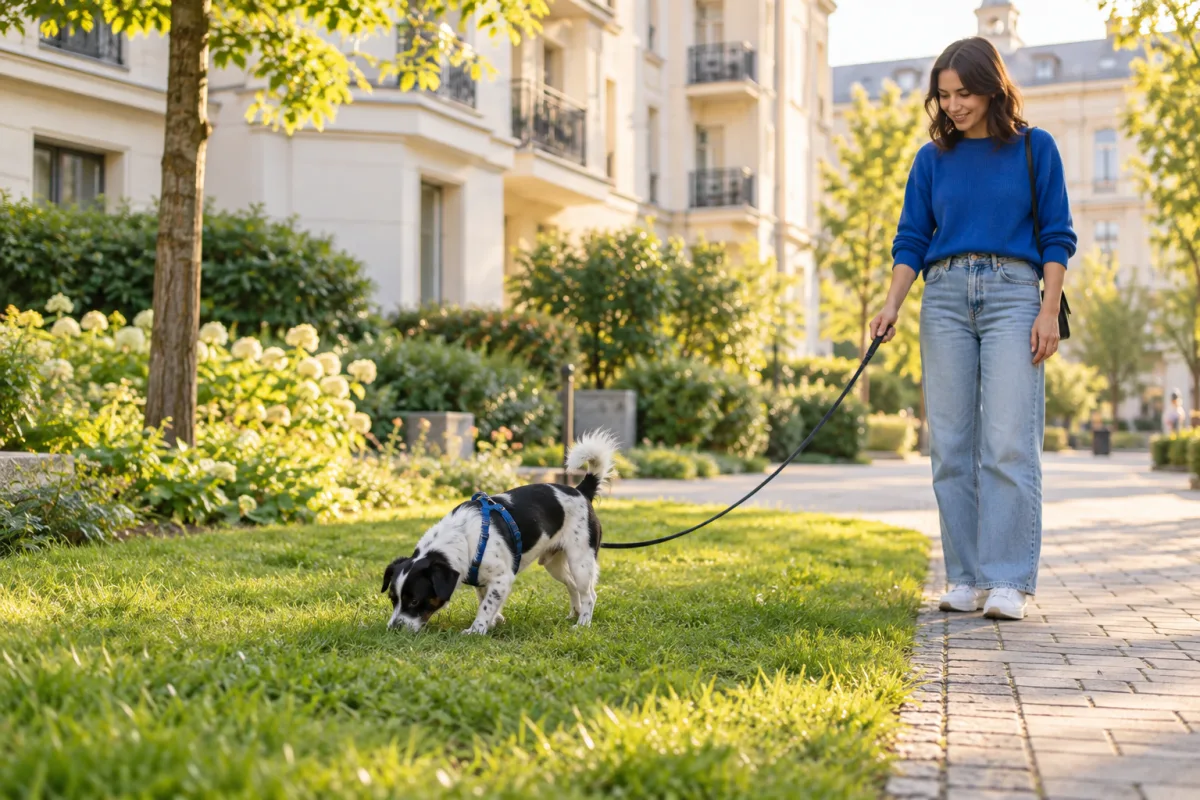
Build a city dog training routine around safe routes, quieter pauses, street crossings and real choices, with practical exercises for everyday outings.
Out in the city
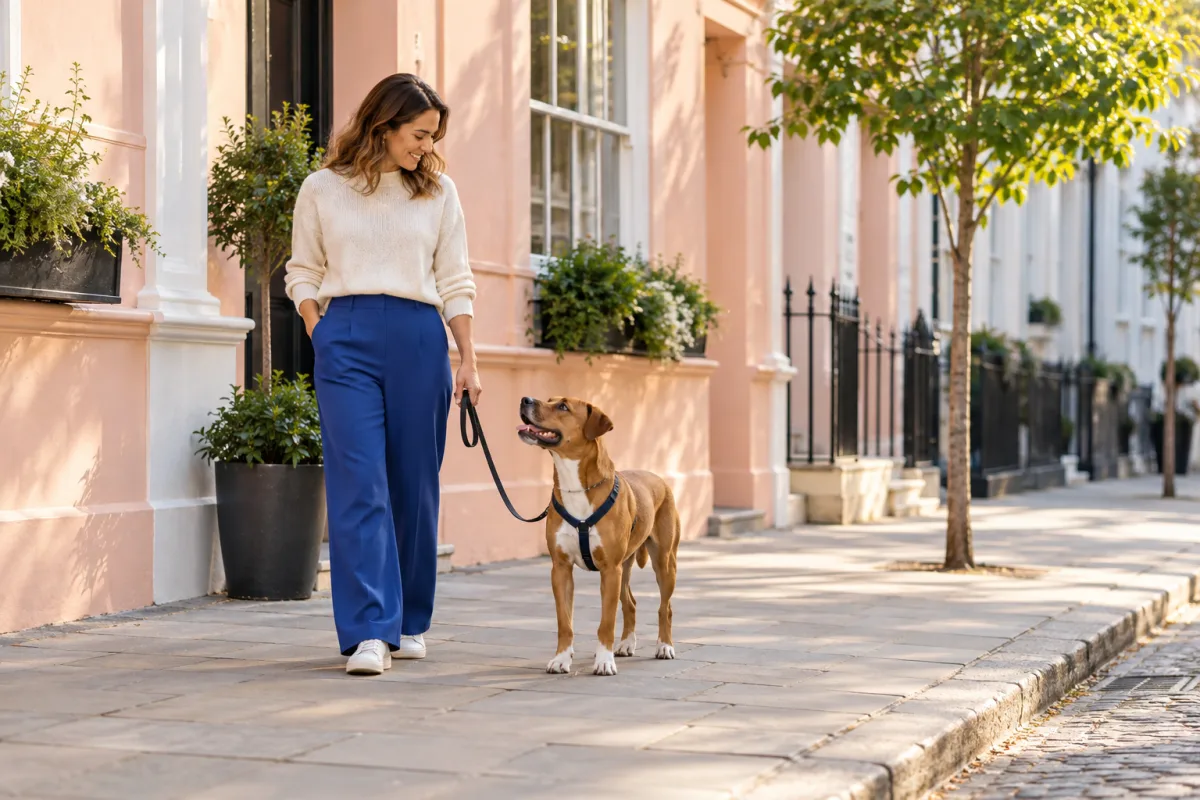
Improve city leash handling with equipment checks, clear handovers, manageable line length and simple practice for doors, corners and busy paths.
Puppy days
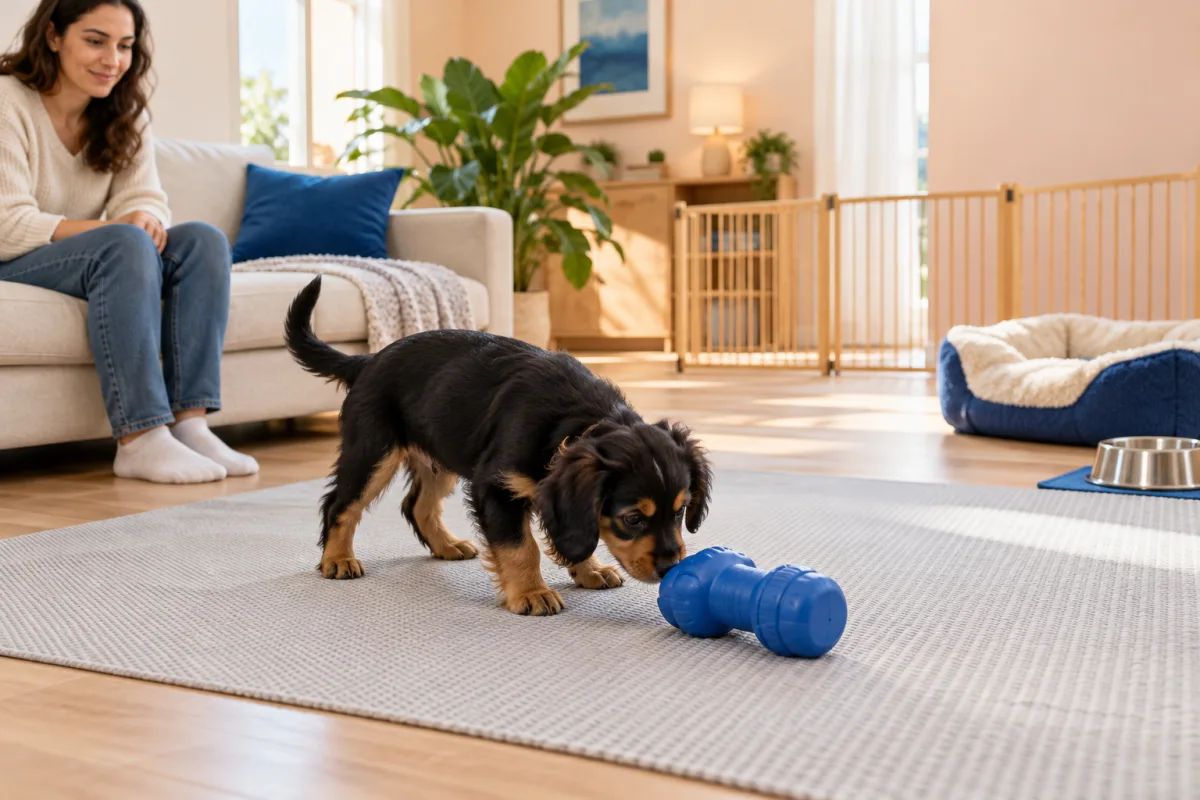
Build a flexible puppy apartment schedule around potty trips, meals, rest and short practice, with realistic adjustments for elevators and workdays.
Puppy days
Prepare for your puppy’s first night in an apartment with a nearby sleep space, quiet toilet trips and a responsive plan for crying and reassurance.
Puppy days
Help your puppy notice people, dogs and city life without greeting everyone. Plan short, comfortable observations and protect their freedom to move away.
A calmer home
Build a dog work-from-home routine around care, predictable breaks and comfortable rest, with realistic support for meetings and changing work demands.
A calmer home
Build a manageable dog doorbell practice plan by separating the sound, your movement and visitor entry, with safe management for real deliveries.
Play & enrichment
Build a small-apartment dog enrichment routine with quiet games, simple room layouts, useful choices, and activities that fit your dog’s needs.
Play & enrichment
Explore no-food dog enrichment through gentle play, toy searches, safe sniffing, social time, and simple choices tailored to your dog.
Care & cooperation
Build a cooperative care training plan with small handling goals, clear pauses, useful records, and coordination with your dog’s care team.
Care & cooperation
Choose a reward-based dog trainer with clear questions about methods, credentials, safety, teaching, costs, realistic goals, and professional referral.
Separate the job that must happen now from the skill you could teach later. Getting outside for a needed toilet trip, preventing an escape and making a necessary veterinary appointment are care or safety tasks. They should not depend on completing a practice sequence first. A guide may help you prepare an easier route or a clear handover while the longer learning work happens separately.
For optional practice, make the goal observable and narrow. Instead of “be calm everywhere,” consider “comfortably turn toward me beside the interior door.” That wording identifies a place and an action you can recognize without assuming how your dog feels. Still observe posture, movement and willingness to participate. The visible action matters, but it does not tell the whole story about comfort.

Use the resource thoughtfully
The preparation list tells you which conditions make the exercise practical. Read the complete starting sequence before bringing out equipment or inviting the dog. Then read the adjustment and stopping information. You should know how to increase distance, reduce movement, remove a distraction or finish the session before you need that option. A planned pause is easier to use than an improvised response to frustration.
Returning to an easier version is useful information, not a lost attempt. If an indoor check-in was comfortable but the hallway version was difficult, keep the indoor success and change the hallway arrangement. Time, sound, people and available space may all matter. Change one manageable detail when possible, so that your next observation helps explain what made the difference.
After reading, write one sentence about the setup and one about the next action. The training log is useful when you want to compare actual observations across occasions. A practice plan can organize the people and preparation around that exercise. The household cue card helps when inconsistent words or expectations are part of the problem. You do not need to use every resource together.
Choose related reading because it answers the next question raised by your observation. A doorway problem may lead to route planning, household coordination or a discussion of worry around equipment. Following that thread is more useful than opening every article in a category. Stop to seek appropriate help when the concern includes pain, sudden change, panic, aggression or a risk you cannot manage safely.
From an ordinary day
Imagine a dog who barks when an apartment neighbor passes the door. The first question is what happens around the sound: where the dog is resting, whether the entrance is visible and how long recovery takes. The household reads the hallway-noise guide and protects a quieter resting area. They do not ask a neighbor to repeatedly pass the door to see how much the dog can tolerate.
Their first note describes one ordinary event: a brief sound, a look toward the door and a return to the resting area after the room became quiet. The next step is to preserve that arrangement and record another natural occurrence. If the dog needs to go outside, they handle the toilet trip with appropriate management rather than turning the live hallway into a mandatory lesson.
A few observations may suggest a practical adjustment, such as moving the bed farther from the entrance or changing delivery arrangements. They may instead show sustained distress that needs professional support. Either result is more informative than reporting only “barking practice completed.” The guide has helped the people make a decision; it has not established a diagnosis or promised that a particular exercise will solve the concern.
Before the next step
Keep the relevant principle and check the differences before trying the exercise. Space, handling comfort, other animals and the urgency of the event can change the appropriate setup. Use an easier version or another guide when needed; do not force your circumstances into an example just because its title sounds close.
The person arranging practice should understand the full preparation, adjustments and stopping points. Another caregiver needs an accurate handover that includes those limits, not just a cue and a reward. Share the page as a reference and agree who will change the plan if the situation becomes harder.
Ask which unresolved decision it would help you make. A new article is useful when it clarifies equipment, an easier environment, a care arrangement or a specific progression. If you are simply collecting more exercises without changing the setup, pause and review the observations you already have.