
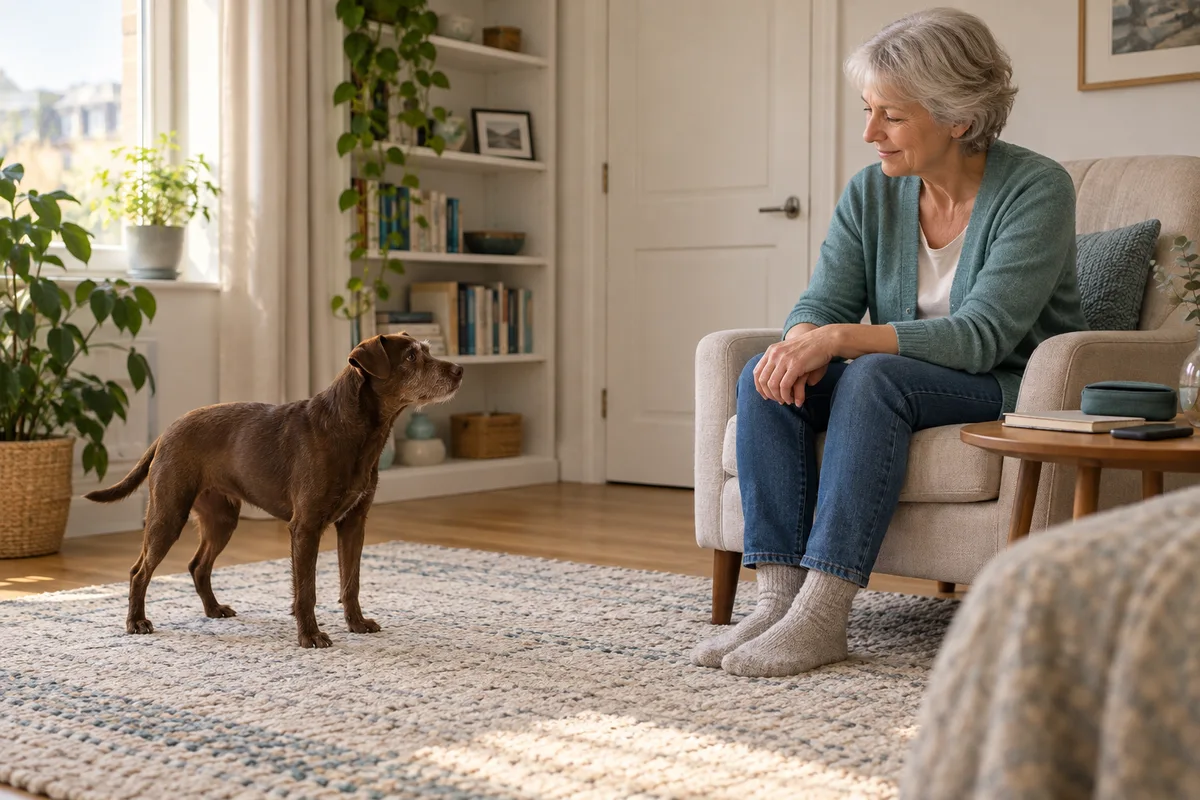
Dog training after a break can start with a much smaller question than how to get back to your previous level. What is one familiar thing you and your dog can comfortably explore today? An interrupted work schedule, a busy household or a period away from structured practice can change the conditions around an exercise. The useful starting point is the dog, setting and care needs in front of you, rather than a date on an old plan.
This guide concerns ordinary everyday practice after a life interruption. It is not a return-to-exercise plan after injury or illness, nor a treatment for fear or aggression. Pain, sudden behavior change, panic or bite risk need appropriate personal help. If an available step-by-step DogPath lesson is useful, review it before practice and choose a manageable part. Paper notes work too. You do not need to catch up on missed lessons, prove that your dog remembers everything or finish a whole program to make a thoughtful restart.
Choose one job for dog training after a break
Pick an ordinary, low-pressure moment rather than a list of commands. Perhaps your dog used to turn toward you when you said their name in the sitting room. Your current goal could be to notice whether that familiar interaction is comfortable in a quiet version of the same room. That is different from testing attention at the front door while visitors arrive.
Write down the last easy version you actually remember: where you stood or sat, the cue you used, what the dog did and how you rewarded it. If your memory is vague, say so. A note that says worked somewhere at home is a starting question, not evidence that the behavior should work everywhere. Choose a simpler situation instead of filling the gaps with assumptions.
Keep important safety arrangements separate. A successful response indoors is not a reason to remove a lead near traffic or rely on a recalled skill in a risky setting. You are finding a comfortable practice point, not certifying reliability.
Rebuild the setting before adding a demand
Look at what changed around the practice. Furniture may have moved, another adult may be present, or the household may now be busiest at the time you once trained. Check the floor, available space and everyday distractions. Also consider whether your dog needs water, rest, a toilet opportunity or relief from an uncomfortable situation before anything else. Those needs do not have to be earned through an exercise.
Make a short comparison between the remembered setup and today's version. You might notice that you used to sit sideways on a chair, but now stand over the dog near a noisy appliance. Start by returning to the easier posture or choosing a quieter place. Avoid changing the cue, reward, room and distance together, because that makes the next observation harder to interpret.
You do not need a completely silent or specially equipped home. The point is to find a manageable moment within your actual household. If that moment is unavailable today, meet care needs and leave the practice for another suitable opportunity.
Use a lesson as a reference for one step
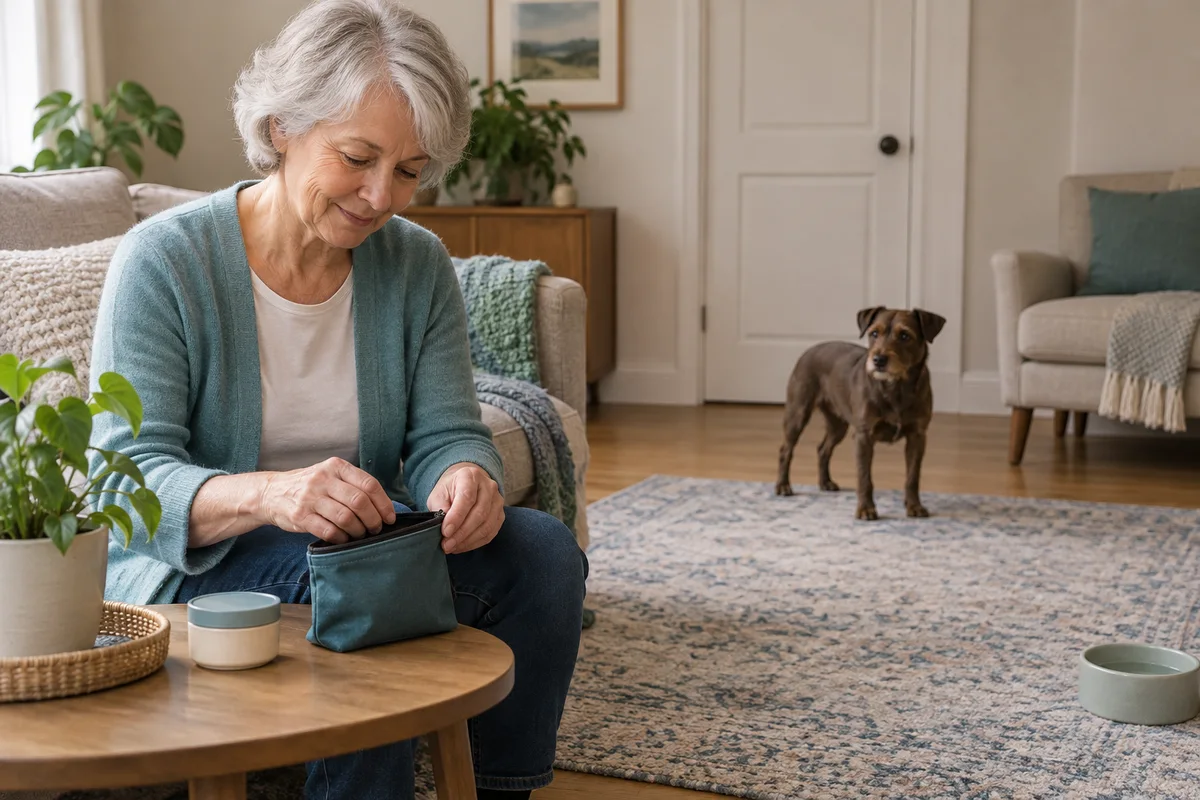
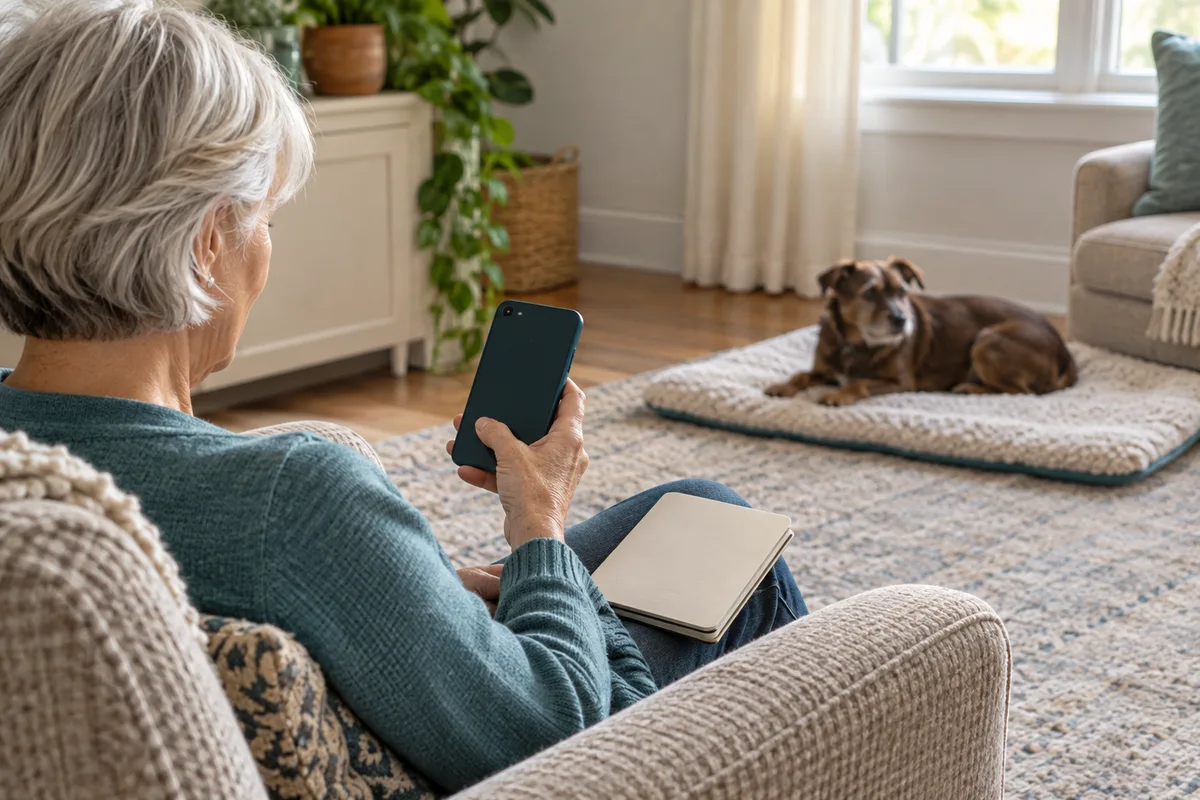
If you use DogPath, open an available guided lesson relevant to the familiar skill you want to revisit. Read the setup and the instruction carefully before inviting your dog to participate. Choose one part that fits today's circumstances. A lesson sequence can organize your preparation, but its position on a screen does not assess your dog's comfort or tell you that the old difficulty is appropriate now.
Translate that part into a simple action you can carry out without watching the phone. For example: prepare the reward, sit in the familiar place, use the familiar cue once and observe. Put the screen aside while your attention is needed for your dog and the environment. If the instruction does not fit, stop and choose suitable guidance rather than forcing the situation to match a lesson.
Use the reviewed instruction to prepare a plan you can explain in plain words. If a professional is supporting you personally, keep their individual guidance in view. A general lesson should support that appropriate plan rather than override it. Its useful role here is a reference for an ordinary, manageable interaction.
Observe an easy response without turning it into a test
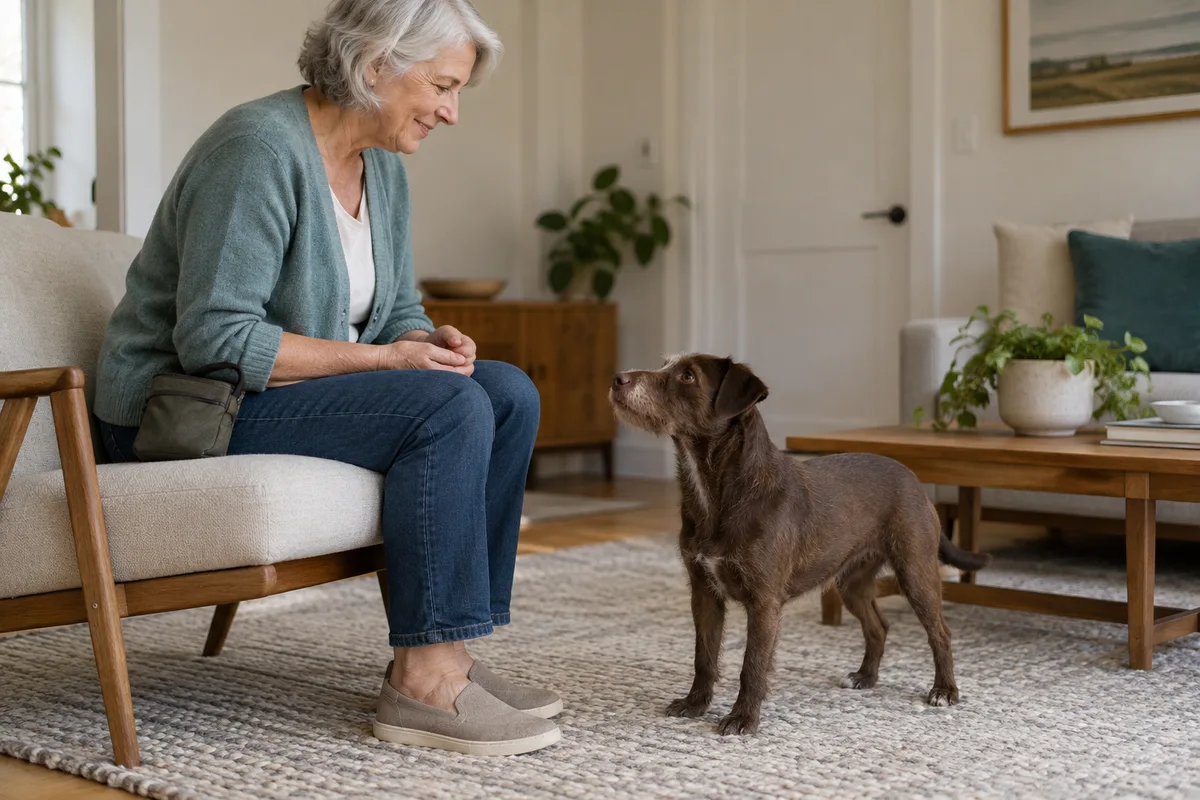
For a cue that was already familiar, begin with the comfortable setup you selected. In the name example, say the name once in your usual friendly voice when the dog can comfortably engage. Notice a relaxed turn toward you and reward it. There is no need to insist on a particular body position, prolonged eye contact or a longer sequence before acknowledging that small response.
If your dog does not respond, avoid repeating the cue in a louder or more urgent way. Check the situation instead: was the dog occupied, was the place too busy, or had your own position changed? Make the next opportunity easier, or stop. One missed response cannot tell you whether an old association has disappeared, and repeatedly testing it will not answer every question about the setup.
Keep the example within ordinary, comfortable interaction. Do not lure a reluctant dog through a difficult movement, physically position them or withhold access to a needed break. If a previously easy movement now seems difficult, seek appropriate veterinary advice.
Prepare a reward your dog actually values today
Have an appropriate reward ready before asking for the response. Check that you can reach it without searching through several pockets or bending over the dog unexpectedly. If you normally use a learned marker, keep its meaning clear and follow it with the promised reward. A word on its own is not a reason to leave the dog waiting for something you have not prepared.
Dogs Trust's reward-based training guidance explains choosing rewards the individual dog wants and considering the circumstances. Use that principle without assuming an old favorite will fit every moment. Keep any food suitable for your dog's dietary needs and normal care plan. Do not restrict meals, water or rest to make the return to practice more compelling.
Watch what happens after delivery as well. If reaching for the reward makes you crowd the dog, reorganize your hands and space. If a game is difficult to manage calmly in that room, select an appropriate alternative. Change the practical arrangement rather than asking the dog to tolerate an awkward one.
Let a break be available before the session becomes difficult
Keep the first return manageable for both of you. There is no universal number of repetitions or duration that makes a restart correct. Notice whether your dog still chooses to engage, can take the offered reward comfortably and has room to move away. Quietly looking away or choosing to rest is useful information, not an invitation to intensify the exercise.
You can stop without obtaining one final perfect response. Put the materials aside and give the dog space, along with normal access to water and appropriate care. Do not repeatedly call them back from a chosen rest spot to finish a quota. If you feel frustrated, end the practice and review the setup later instead of trying to settle the question through another demand.
Avoid treating the break as a punishment or a test of whether the dog will seek you out. Its job is to make stopping ordinary and available. If the dog appears distressed or a pattern is worrying, seek suitable help rather than simply scheduling more repetitions.
Record the conditions, not just a completed box
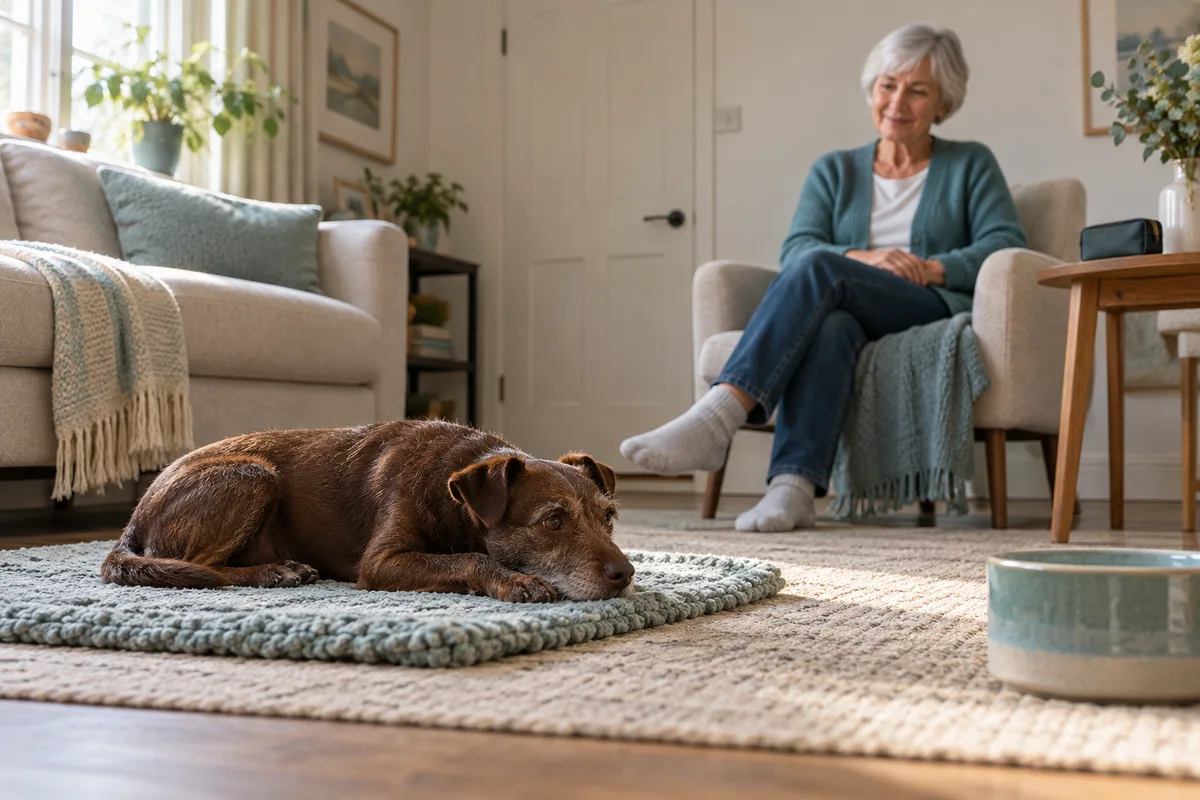
After the dog is comfortable and your attention is free, write a short observation. For example: sitting sideways in the quiet room; said the familiar name; dog turned toward me; reward delivered easily; stopped when the dog chose the mat. That gives your next practice a usable reference without scoring the dog or claiming the response will transfer to a busier place.
Our training log can hold a separate setup, observation and next step, or you can use paper. Keep these notes distinct from any lesson completion inside DogPath. Completing a screen sequence and observing comfortable behavior are different kinds of information. Do not assume the website record is transferred into the app or that either format can assess a safety risk.
Include uncertainty when needed. Dog looked toward me after I moved my hand is more informative than definitely understood the word. An accurate small note helps you decide what to keep the same, and gives a professional better context if you later ask for help.
Choose one next adjustment and share it clearly
Use the observation to choose the next manageable action. You might repeat the same setup, reduce a distraction or prepare the reward more conveniently. Avoid adding duration, distance and a new room together because one comfortable response felt encouraging. There is no catch-up debt to repay and no reason to compress missed practice into a larger session.
If another adult participates, agree on the cue, setup and stop point you are using now. Our household cue card can help keep familiar words clear, but a brief conversation about the current easy version still matters. Someone remembering a more advanced exercise from before the interruption should not expect the dog to perform it on demand today.
Review the plan again if circumstances change. Persistent difficulty, pain, sudden change, panic, aggression or bite risk call for appropriate individual support. For an ordinary restart, a clear next opportunity that fits real life is enough. The next available lesson can wait while you keep practice comfortable and understandable.
Questions
Does a missed response mean my dog forgot everything?
No single response can establish that. The room, cue, posture, reward, distractions and current care needs may differ. Look at those conditions without repeatedly testing the dog. Start with an easier comfortable interaction, and seek veterinary or qualified behavior help if the change is sudden, persistent or concerning.
Should I repeat every old lesson from the beginning?
Choose guidance that fits the current task rather than automatically repeating an entire sequence. Review an available relevant lesson, identify one manageable part and observe your dog. A program position cannot assess comfort. Do not push through an unsuitable step just to complete a restart routine.
How long should the first session last?
There is no required length in this guide. Keep the return manageable, notice voluntary participation and allow a break before frustration develops. Stop sooner when needed, including without a final successful repetition. Your dog's care needs and the actual setting matter more than a target duration.
What if another busy period interrupts practice again?
Keep a small note of the comfortable setup and the next intended adjustment. Continue normal care, then review the conditions when another suitable opportunity arrives. You do not owe a catch-up session. If you need help organizing everyday care, arrange appropriate support rather than replacing it with more training.