Free browser tool

Practice timer

Small sessions. Plenty of permission to stop.

Room for a small win

Finish while it’s still easy.

01:00

Set up first. One comfortable repetition can be enough.

A quiet timer, without an alarm. Pause or stop before the time is up if your dog needs a break.

A timer is a ceiling

Finish early if your dog has had enough, becomes uncomfortable or needs care. A single well-arranged repetition can be useful. The timer does not assess fatigue, learning or welfare.

Prepare before pressing start

Choose one behavior, a comfortable setting and suitable rewards. Put the equipment within reach so that the short window is not spent searching for it. Keep the actual care needs separate from the optional exercise.

Leave time for a real break

After practice, let your dog rest or choose an appropriate quiet activity. Do not automatically restart the timer because the first session was short. Use a note about the result to choose a later next step.

Comfort and care come first. Stop optional practice when your dog is worried or unable to take part. Seek appropriate help for pain, panic, aggression or bite risk.

Read the training approach
Make the tool useful

Give the session a clear ending before you begin.

The practice timer offers a quiet upper limit for an optional training window. Choose one, two, three, five or eight minutes, then start when your setup is ready. You can pause, resume or reset, and finish earlier whenever your dog needs a break. There is no audible alarm. The tool provides a visual countdown and an ending message; it does not measure your dog’s concentration, comfort, fatigue or readiness to continue.

Use the timer to support the human decision to keep practice manageable. A short window can prevent an easy repetition from expanding into a long string of increasingly difficult attempts. It should not become a quota the dog has to complete. Read the exercise first, prepare any suitable equipment and rewards, and decide what a useful stopping point looks like. Ordinary care and your dog’s response remain more important than the number on the screen.

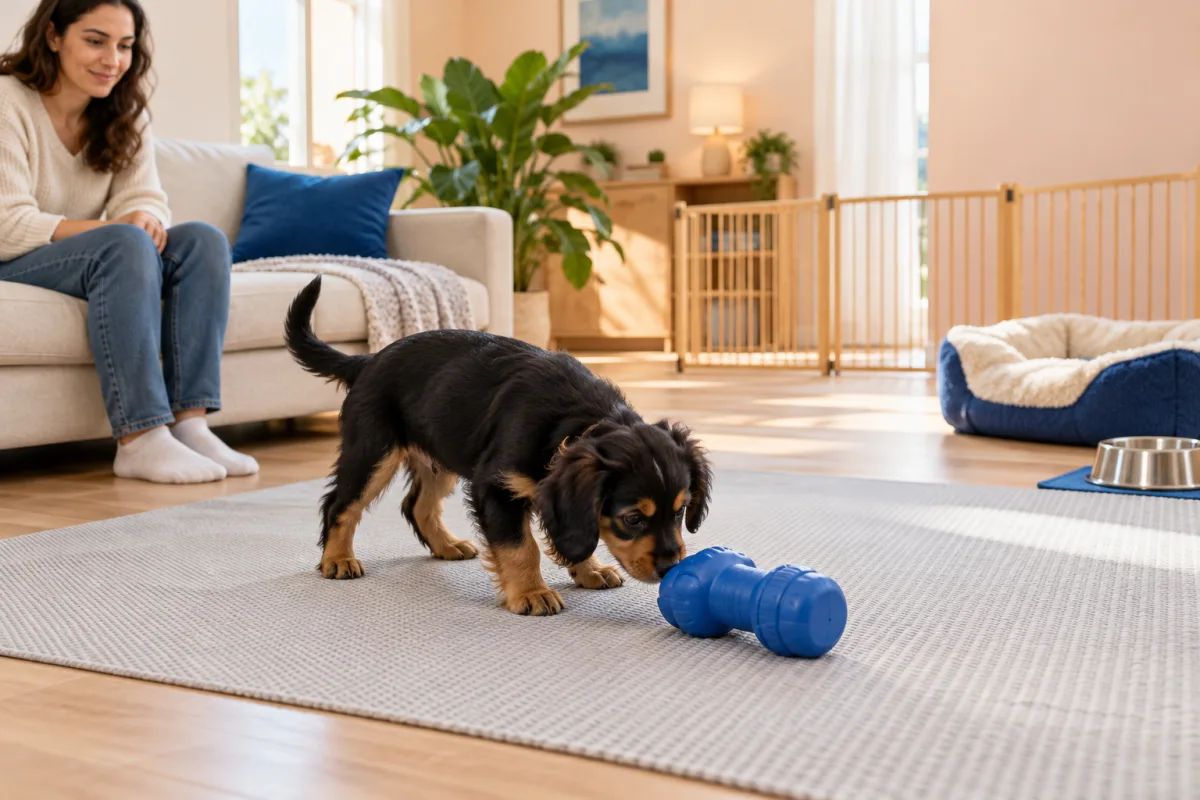
A puppy exploring a sturdy toy on a clear nonslip mat under supervision
A simple, supervised setup gives a puppy a clear place to begin.

A practical walkthrough

From a choice to something you can use.

01

Prepare one question before starting the clock

Choose an exercise small enough to understand: a voluntary look, one comfortable step or noticing a harmless care item at an easy distance. Identify the setup and the way to finish. If you spend the first part of the countdown searching for equipment or arranging the room, the window is measuring preparation rather than the interaction you intended. There is no need to rush the dog to make up those lost seconds.

02

Select the window you can supervise

Pick one of the available durations, keeping it as a maximum rather than a target. Shorter does not automatically mean easier if the environment is difficult. A single repetition in a quiet familiar room may be more appropriate than a longer attempt beside a busy doorway. If the dog has health restrictions or difficulty participating comfortably, address those concerns with suitable professional guidance instead of choosing a timer duration as a substitute for assessment.

03

Pause when the situation changes

Use Pause if you need to attend to something, reconsider the setup or provide care. Resume only if returning to the exercise is appropriate; the remaining time does not create an obligation to finish. If a noise, visitor or another dog changes the situation, a reset or an entirely different plan may be the better choice. Keep the dog secure and comfortable while you make that decision, rather than concentrating on the controls during a safety-critical moment.

04

Treat the ending as part of the exercise

When the countdown reaches zero, the page displays a break reminder without playing a sound. Finish the current easy moment thoughtfully and allow appropriate rest or another quiet choice. Do not automatically restart because your dog still appears willing to interact. Make a short note about what happened and consider the whole day before deciding when another session belongs. The timer resets with a fresh page visit; it does not save session history or add records to the training log.

A worked example

Use the reminder without filling every second.

Imagine you have chosen a brief practice window and reviewed an easy familiar exercise. The clock helps organize attention; the exercise can finish before the reminder is due.

Before starting
Place the timer where it does not divide attention from your dog. Prepare the environment and reward first, so the countdown is not spent searching for supplies.
During practice
One comfortable repetition may be enough. Pause or reset the timer if you need to reorganize; elapsed time is not a measure of how much a dog learned.
After stopping
Let the dog return to ordinary activity or rest. Keep one useful note, then decide later whether another session would fit. There is no missed time to make up.

From an ordinary day

Illustrative use: one minute for an easy check-in

A handler prepares a quiet room and selects a one-minute window for a familiar check-in. Their dog has access to a comfortable resting option and can move away. The handler already knows which small action they want to notice and what will mark the end. They begin the timer only after the equipment and environment are ready.

After one comfortable repetition, the dog turns toward the bed and lies down. The handler finishes before the display reaches zero. There is no reason to call the dog back merely because time remains. On another occasion, a delivery interrupts practice, so the handler pauses and manages the real event rather than keeping the session running through a harder situation.

The useful outcome is a clear ending and a decision about the next suitable opportunity. The elapsed time does not prove learning or relaxation. This scenario is an illustration of using an upper limit responsibly, not a universal session prescription. Puppies, older dogs, dogs recovering from illness and dogs dealing with fear may require very different arrangements and appropriate professional input.

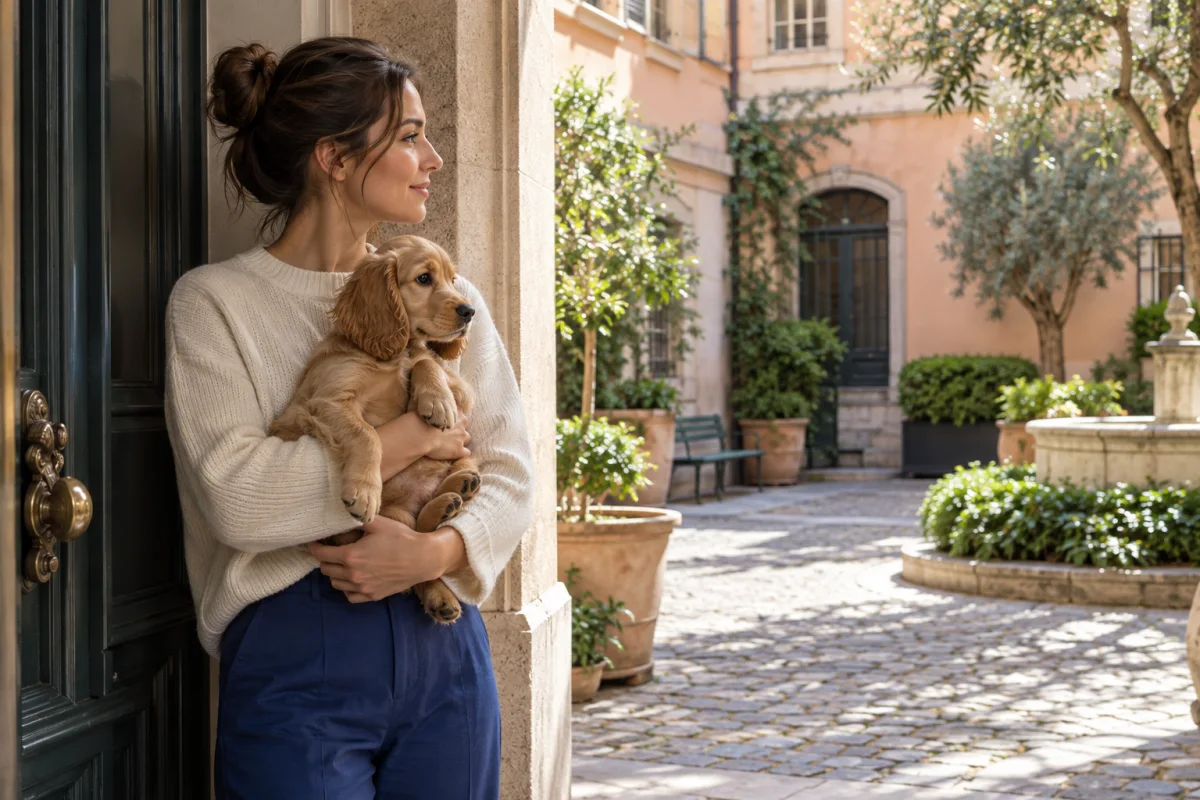
An adult securely supporting a puppy while observing a quiet courtyard
Comfortable observation can be part of early experience; follow veterinary guidance on safe outings.

When the picture changes

Adjust the setup, then decide.

SituationA practical adjustment
Your dog moves away before the window ends.Allow the exit and assess what it means in context. Do not call them back simply to complete the remaining time.
The exercise becomes harder while the timer runs.Pause or stop, simplify the environment and consider whether optional practice is appropriate at all in this moment.
You notice yourself repeating attempts to get a perfect finish.End with a manageable decision instead of chasing an ideal performance. Review the setup and choose one easier next step later.
You want a record of the session.Write the useful setup and observations in the separate training log. The timer does not automatically create or preserve a session record.

Before the next step

Using this tool in practice.

Which duration is best for my dog?

There is no single duration suitable for every dog, exercise and setting. Choose a short window you can supervise and remain willing to finish after one comfortable repetition. Life stage, health, sleep, environment and the exercise itself affect the decision. The available durations are interface options, not veterinary or behavior prescriptions.

Will the timer sound an alarm?

No. It is intentionally quiet and uses a visible countdown with a break message at the end. Keep an eye on the page if you need that reminder. Do not rely on the tool to supervise an animal, signal an urgent care deadline or manage medication timing. Those responsibilities require their own appropriate arrangements.

Can I pause and change my mind about continuing?

Yes. Pause gives you room to provide care, review the situation or end the session. Resume is an option rather than a requirement. You can also reset the countdown. Your dog does not owe the remaining time, and a meaningful pause may lead to finishing entirely when the environment or their comfort has changed.

Is a longer completed session evidence of progress?

Not by itself. Duration can increase while comfort or clarity decreases. Look at the setup, the dog’s behavior and what happens afterward. A shorter easier session may produce more useful information than several minutes of repeated difficulty. Choose progress measures relevant to the exercise, with suitable professional support when concerns need an individual plan.