Free browser tool

Outing checklist

Think through the outing before opening the door.

Before the door opens

Think it through once.

Ready is a decision

A checklist is a prompt, not a promise.

Ticking every box does not establish that your dog is comfortable, a route is safe or a skill will hold around traffic.

You can shorten the route, choose a quieter time or stay home and arrange appropriate care. Keep the leash secure and make road decisions yourself.

Plan an easier walking route

Selections are saved on this browser. Reset before planning a different outing.

Plan an exit as well as an entrance

Before trying a new location, consider where you can find space and how you will leave if it becomes busy. A dog should not have to stay in a difficult situation because the route was planned as a loop.

Keep safety in the handler’s hands

A trained pause does not replace a secure leash or a careful crossing decision. Consider traffic, surface, temperature and other animals as the situation changes. A checklist completed at home cannot predict every condition outside.

Reset for a different outing

A quiet morning toilet trip and a longer visit have different requirements. Reset the saved selections and consider the actual outing rather than carrying yesterday’s assumptions forward.

Comfort and care come first. Stop optional practice when your dog is worried or unable to take part. Seek appropriate help for pain, panic, aggression or bite risk.

Read the training approach
Make the tool useful

Check the outing you are actually about to take.

The outing checklist helps you think through eight preparation questions before leaving: the dog’s apparent comfort, suitable equipment, route options, conditions, supplies, toilet needs, optional greetings and a simpler backup. Tick the items you have considered and use the progress display as an organizational reminder. A completed checklist does not establish that the dog is safe, that an environment will stay manageable or that a trained skill can be relied on around traffic.

Selections remain in the current browser profile so you can return to the preparation, with options to reset or print. They are not automatically attached to a calendar date, a particular dog or a saved walk. Reset before planning a different outing. A morning toilet trip, an unfamiliar journey and an afternoon sniffing route can require different choices even when you leave through the same door and carry the same equipment.

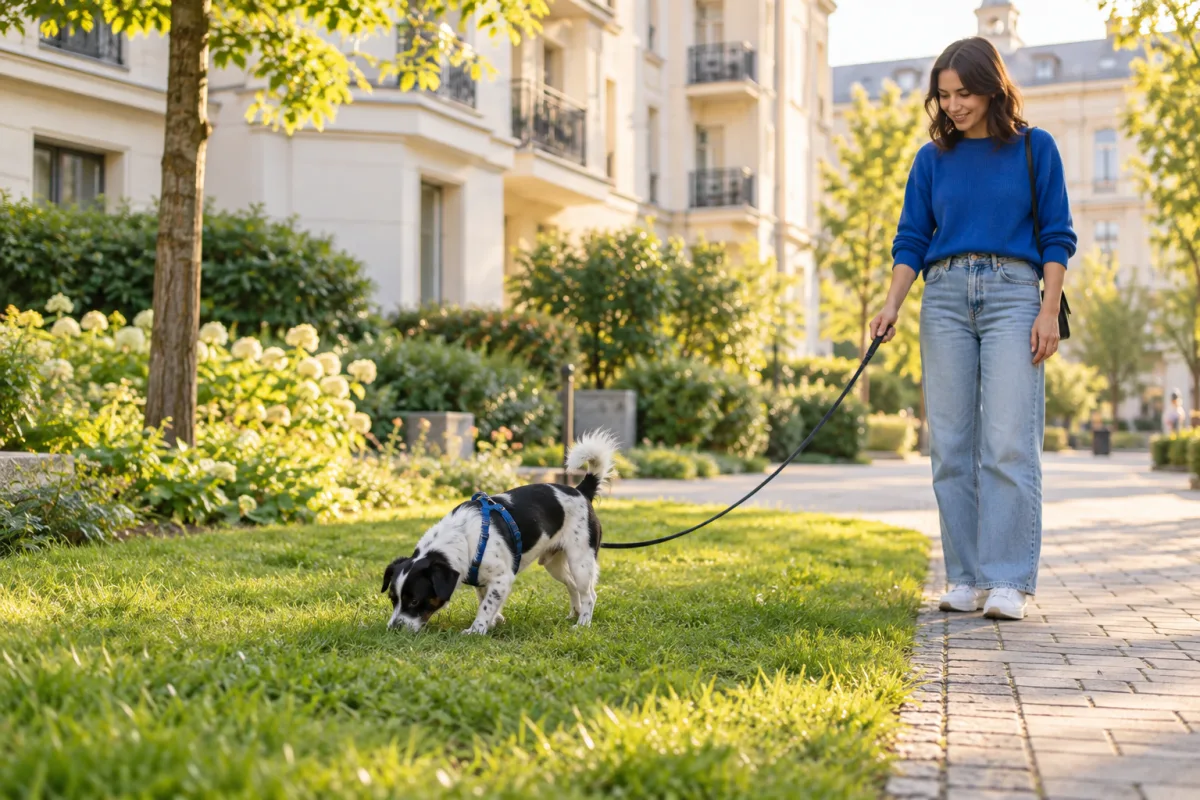
A harnessed black and white dog sniffing grass while the handler holds a slack leash
A quieter detour can give a walk more room for comfortable exploration.

A practical walkthrough

From a choice to something you can use.

01

Start with the dog and the immediate care need

Consider whether your dog seems comfortable and well enough for the proposed outing, while recognizing that a checklist cannot assess health. New hesitation, altered movement or other concerning changes may need veterinary advice. Identify whether the immediate job is a necessary toilet opportunity, a familiar walk or an optional new experience. Do not turn an urgent care trip into a long preparation exercise or delay a need while trying to make every item feel perfectly complete.

02

Review equipment and the route together

Check fit and condition before reaching a busy shared space. Think about how the dog will move through the entrance, wait safely and return if the route changes. Look for quiet places and enough room to step aside, keeping current traffic, weather and surface conditions in mind. The route box is not asking you to certify an entire neighborhood as safe; it prompts a plan that can be revised when you encounter what is actually there.

03

Prepare supplies and the human handover

Gather the items this outing requires, including suitable rewards, water and waste bags as needed. Account for building delays and the next toilet opportunity rather than assuming the dog can wait indefinitely. If another adult is taking over, explain the route and the simpler alternative. The checklist stores only its ticked items, so use an appropriate separate care note for instructions the other person needs. Keep private access and medical information in suitable channels.

04

Name an easier alternative before leaving

Decide what you can change if the first plan is unsuitable: a quieter street, a shorter familiar outing, a different time or an appropriate care arrangement. Declining greetings and returning early remain legitimate decisions after every box is ticked. Print the checklist if useful, then reassess the dog and environment during the outing. The tool does not track your location, record distance, monitor conditions or confirm that the preparation still applies once you are outside.

A worked example

A checklist for a route that may need changing.

Picture a familiar short walk while building work affects the pavement. Prepare the usual equipment, then use the checklist to make the alternative explicit before leaving.

Equipment and care
Check secure equipment, appropriate supplies and the dog’s current comfort. A completed checklist from yesterday does not describe today’s fit or conditions.
Route choice
Identify a permitted turn before the narrow section. Keep an accessible way home and assess crossings yourself; a planned line on a map cannot make a crossing decision.
Backup
If the alternative is also busy, choose a suitable shorter route or arrange another care option. Update the checklist for the next outing rather than treating every tick as permanent.

From an ordinary day

Illustrative preparation: a new café remains optional

A handler is considering a short visit to a dog-friendly café after a familiar walk. Before leaving, they check the venue’s current rules, the likely route and whether the dog is comfortable with the equipment and kind of environment involved. They identify a quiet return option and decide that the café is optional. The dog’s toilet and activity needs are arranged separately from proving they can settle at a table.

On arrival, the available space is tighter than expected and delivery activity changes the view. Despite having considered all eight preparation items, the handler chooses the quieter walk and returns home. They do not treat the completed progress bar as a reason to stay or make the dog endure the visit. A checklist can make the choice clearer without deciding the answer in advance.

The next outing starts with Reset so yesterday’s ticks do not carry forward as assumptions. The handler can reconsider a different location or time and read a relevant guide before another attempt. This example illustrates preparation and flexibility. It is not a recommendation that every dog visit cafés, an assessment of any venue or evidence that a checked list removes environmental risk.

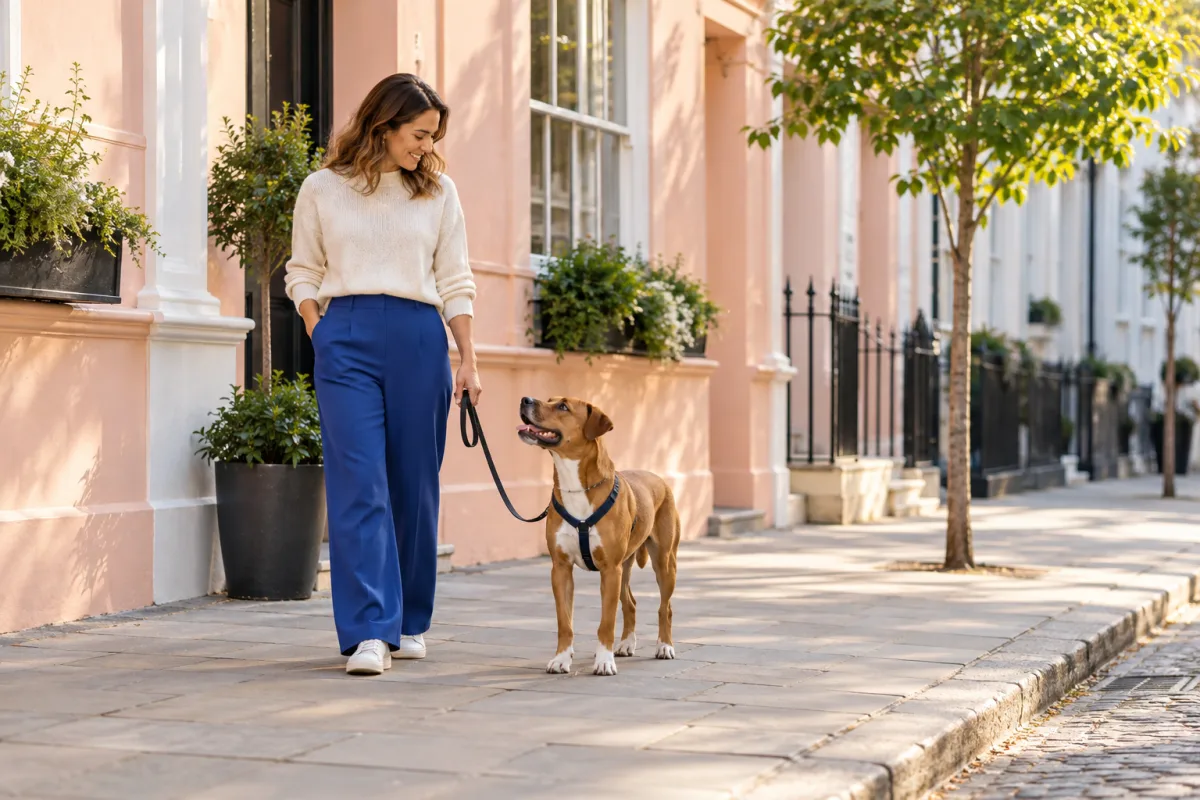
A handler and a harnessed dog standing together on a quiet city pavement
Practice movement skills in an easier place before relying on them in a busy setting.

When the picture changes

Adjust the setup, then decide.

SituationA practical adjustment
A box is checked but conditions have changed.Reassess the actual situation and use a simpler plan where needed. A stored tick is a record of preparation, not current permission to proceed.
You cannot identify a comfortable return option.Change the route or optional destination before committing. A loop that leaves no manageable exit may not fit this dog today.
Your dog needs the toilet while you are still planning.Prioritize a timely appropriate opportunity using the safest practical arrangement. Complete optional outing decisions separately.
You are preparing tomorrow’s walk or another dog’s trip.Reset the selections and consider the new outing on its own terms. The checklist does not distinguish dogs, dates or saved routes.

Before the next step

Using this tool in practice.

What does the progress bar measure?

It shows how many of the eight preparation items you have checked. It is not a dog readiness score, risk calculation or assessment of your training. You still need to consider the actual dog and environment, including changes after departure. Sometimes a fully considered plan leads to postponing an optional outing or arranging another form of care.

Are my checked items saved?

They are stored locally in the current browser profile when browser storage is available. There is no account, location history or automatic synchronization. Reset clears the selections for a fresh preparation. People using the same browser profile may see the same ticks, so communicate clearly instead of assuming the checklist identifies who last prepared it or which outing it describes.

Can I use the list for every kind of journey?

It provides broad prompts, not a complete checklist for every journey. Public transport, long travel, medical appointments and dogs with specific needs require additional planning and current information from the relevant service or professional. Use the guides to explore those details. Do not assume the eight items cover documents, operator rules, health restrictions or emergency arrangements for a particular trip.

Should I finish the planned route after completing the checklist?

No. Preparation should make changing the plan easier. Keep observing traffic, crowds, weather, the dog’s comfort and the available space. A shorter familiar route or an early return may be appropriate. Maintain equipment safety and your own attention throughout; a checklist completed indoors cannot replace decisions at a crossing or during an unexpected encounter.